


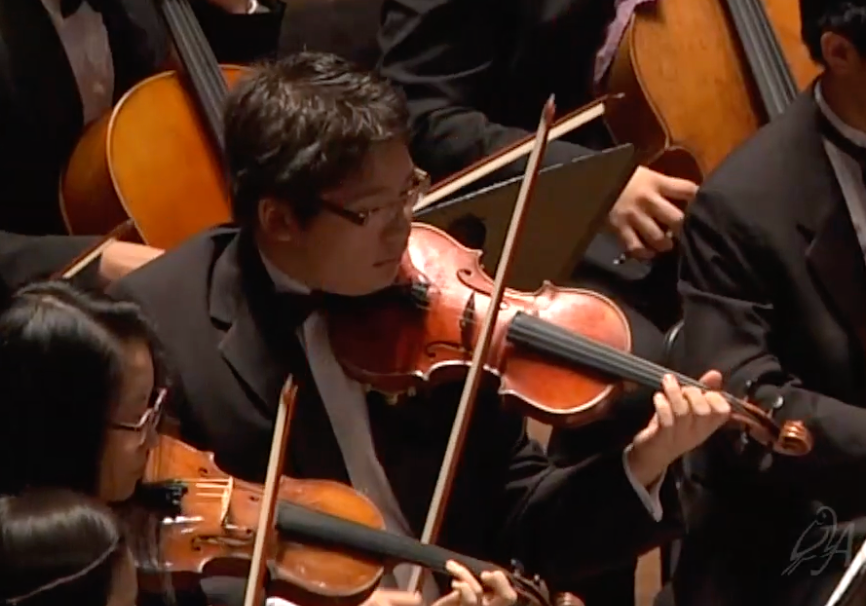
Making room for hearing in your health routine. Cover: lifestyle illustration generated with artificial intelligence (AI).
You probably remember your last eye exam. Your last hearing check may be harder to place.
Hearing deserves a place in your routine, too. But the right timing depends on your age, your exposure to noise, and whether anything has changed.
If hearing feels different, arrange an evaluation rather than waiting for your next routine check. If the change happens suddenly, seek medical attention immediately.
Is there a recommended schedule?
Newer guidance puts hearing on the agenda sooner. A 2024 guideline from the American Academy of Otolaryngology–Head and Neck Surgery Foundation (AAO-HNSF) recommends screening adults ages 50 and older during healthcare encounters. A screening may begin with questions about hearing; it does not necessarily mean a full hearing test at every visit. Read the 2024 age-related hearing loss guideline.
For people whose screening does not suggest hearing loss, the guideline’s flowchart suggests reassessment within three to five years at ages 50–64, and one to three years at age 65 and older. New symptoms or risk factors can change that timing. See the guideline’s screening and follow-up pathway.
Older recommendations from the American Speech-Language-Hearing Association (ASHA) suggest screening at least once per decade through age 50 and every three years afterward, with more frequent checks for people with risk factors. The newer specialist guidance supports bringing hearing into routine healthcare conversations instead of waiting for a milestone birthday. Neither approach is a reason to wait when you notice a change. Read ASHA’s earlier screening recommendations.
ASHA’s current guidance also cites 2026 research supporting hearing screening during routine medical care to identify people who may need further assessment. The findings support making hearing a regular topic; they do not establish one ideal testing interval for every adult. Explore ASHA’s current adult hearing screening guidance.
Recommendations are not identical across organizations. The U.S. Preventive Services Task Force (USPSTF) finds insufficient evidence to recommend for or against routine screening in adults 50 and older who have no symptoms. That conclusion concerns screening people without concerns; it does not mean someone with hearing difficulties should avoid an evaluation. Read the USPSTF recommendation.
Here is a practical way to decide what comes next:
| Your situation | A useful next step |
|---|---|
| No concerns, and you cannot remember your last check | Ask about a baseline hearing evaluation and when to repeat it. |
| Conversations are becoming harder to follow | Book a professional hearing evaluation now rather than waiting for a routine reminder. |
| You regularly encounter loud noise or have a treatment that may affect hearing | Ask your clinician whether you need a monitoring schedule tailored to that exposure or treatment. |
| You already have hearing loss or wear hearing aids | Follow your hearing professional’s review schedule; arrange an earlier visit if your hearing or device benefit changes. |
| Hearing drops suddenly in one or both ears | Seek medical attention immediately. Do not wait for a screening appointment. |

What is a baseline hearing test?
A baseline is a record of where your hearing stands at a particular point in time.
Think of a baseline like a photograph taken before a renovation: having something to compare with can make later changes easier to identify. A hearing professional can keep your results and compare them with future measurements.
A baseline evaluation can also give you a chance to discuss the situations that matter to you: following meetings, talking on the phone, or hearing your family across the dinner table.
Not sure what an appointment involves? Our guide to how hearing tests work explains the different checks in plain language.

Which everyday changes are worth bringing up?
You do not have to wait until sounds seem dramatically quieter.
Maybe you keep asking someone to repeat a sentence. Maybe the television volume has become a household negotiation. Or perhaps you follow a conversation at home but lose the thread when several people talk at once.
Write down a few examples before your appointment. “I miss words when the extractor fan is running” tells a clinician more than “my hearing seems off.”
If background noise is the main difficulty, ask whether a speech-in-noise test would be useful. Those tests look at understanding speech while another sound plays. Read our guide to speech-in-noise testing.
A previous normal result should not end the conversation if you still struggle. Our article on hidden hearing loss and difficulty following speech explains why a standard hearing chart may not answer every listening question.
Does noise exposure change how often you should check?
It can. Hearing damage can follow a very intense sound or build gradually through repeated exposure. Power tools, loud fitness classes, concerts, and high-volume headphones are all reasons to think about how loud, how long, and how often you listen. The National Institute on Deafness and Other Communication Disorders (NIDCD) explains noise-related hearing damage.
Tell your clinician about noisy work and hobbies when discussing your next hearing check. If your workplace has a hearing conservation program, follow that program’s testing schedule.
Checking your hearing and protecting it do different jobs. A test looks for a problem; reducing exposure helps limit the risk of damage. A reassuring result is not permission to turn the volume up.
Are brain health and longevity more reasons to pay attention to hearing?
Yes. A growing body of research connects hearing loss with cognitive decline and dementia. The 2024 Lancet Commission identifies hearing loss as a potentially modifiable dementia risk factor, strengthening the case for including hearing in long-term health conversations. An association does not mean everyone with hearing loss will develop dementia. Read the 2024 Lancet Commission report.
Researchers are also studying whether hearing treatment can help. In the Aging and Cognitive Health Evaluation in Elders (ACHIEVE) trial, a hearing intervention that included hearing aids and counseling slowed cognitive decline by 48% over three years in a prespecified group of older adults at higher risk. It did not produce a statistically significant benefit in the full study population. Read the ACHIEVE trial findings.
The practical takeaway is to give hearing a place in your health routine. A hearing check can help identify a need for care; it cannot predict your personal dementia risk, and research has not established that screening itself prevents dementia.
Our article on hearing loss and cognitive decline: what the research tells us explores the connection in more detail.
Can an online screener be part of the routine?
Yes—as a starting point.
OIDO’s online digits-in-noise (DIN) screener asks you to identify spoken numbers against background sound. You can take the free OIDO hearing screener to explore how you do on that listening task.
Online screening has limits. Your equipment, surroundings, and the way a screener is administered can affect results. A screening result also cannot examine your ears or explain every possible cause of a hearing difficulty. ASHA explains adult hearing screening and its limitations.
Your results are a starting point for understanding your hearing, not a diagnosis or a substitute for a professional hearing evaluation.
If conversation remains difficult, seek an evaluation even if an online result seems reassuring. Repeating a screener until you get a better score is not a substitute for understanding what you are experiencing.
What if I already wear hearing aids?
A hearing check and a hearing-aid check are related, but they answer different questions.
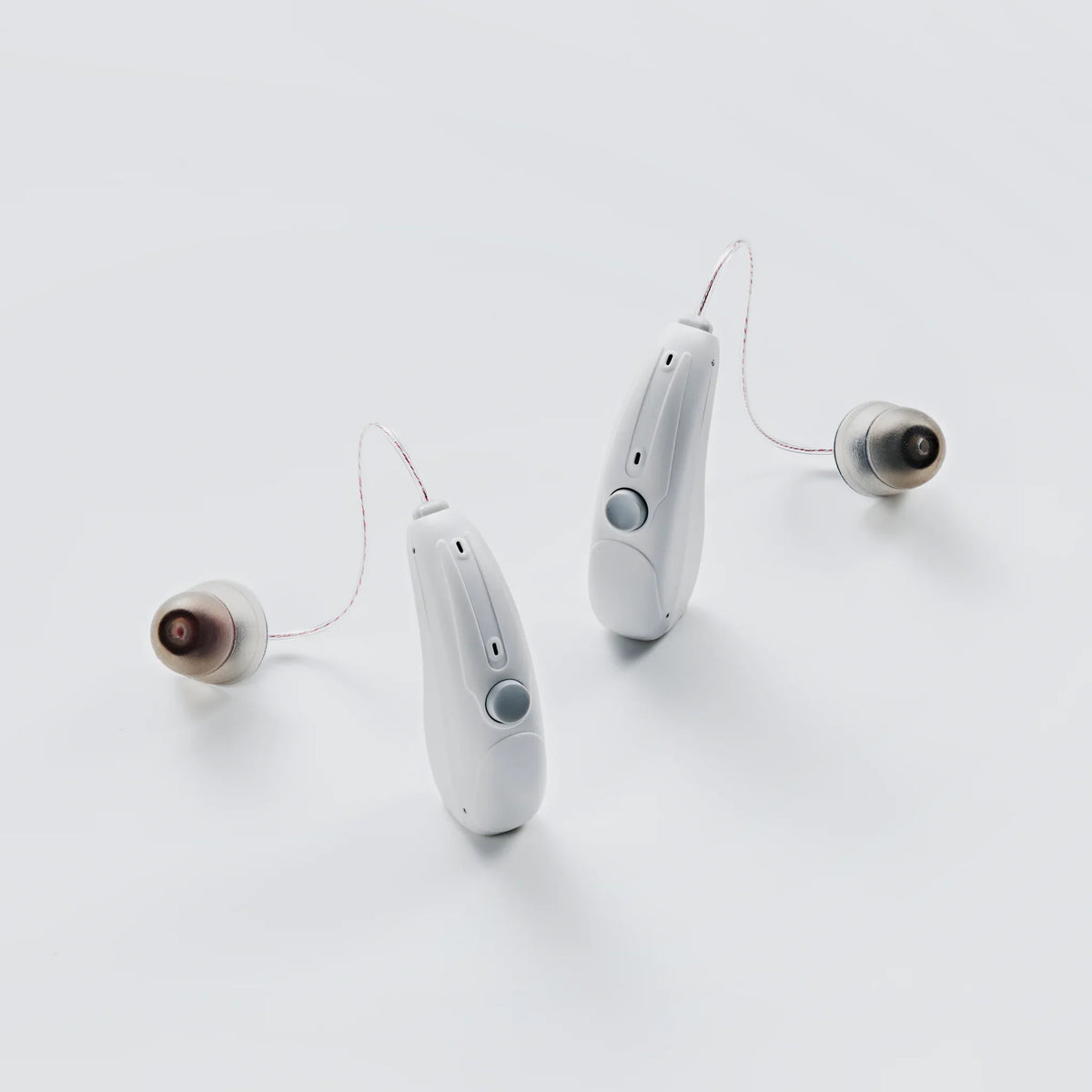
One asks whether your hearing has changed. The other asks whether your devices are working and set up appropriately. Bring your hearing aids and describe what feels different so your provider can decide what needs attention.
Our guide to how hearing aids work explains the difference between adjusting sound settings and checking the fitting—useful background for your next appointment.
Ask for a clear follow-up plan: when to return routinely, whom to contact with a problem, and which changes should prompt an earlier visit. There is no need to wait for the scheduled date if your hearing changes.

Which hearing changes should not wait?
A sudden drop in hearing is a medical emergency. Hearing may change all at once or over a few days. Ringing, dizziness, or a feeling of fullness can occur alongside the change.
Do not assume an ear simply needs cleaning, and do not wait to complete an online screener. Seek medical attention immediately. Read NIDCD’s guidance on sudden hearing loss.
Understanding your hearing does not commit you to buying a device
A hearing evaluation is about understanding your needs. The next step depends on what the evaluation finds.
For adults ages 18 and older with perceived mild to moderate hearing loss, Over the Counter (OTC) hearing aids are available without a prescription. They can be a cheaper, more affordable option than prescription hearing aids, although prices and included services vary. The Food and Drug Administration (FDA) explains who OTC hearing aids are for.
OIDO founder Jason Anderson knows what it feels like to hear someone speaking and still need them to repeat the words. His experience helped shape OIDO’s approach to hearing care. Read Jason Anderson’s founder story.
For a routine first step, take OIDO’s hearing screener. If you would rather explore affordable OTC hearing aids in person, visit OIDO Hearing inside Walmart in Vancouver, WA.
You do not need to wait until hearing becomes a bigger part of the conversation to give it some attention.

Leave a comment
This site is protected by hCaptcha and the hCaptcha Privacy Policy and Terms of Service apply.